

Summary
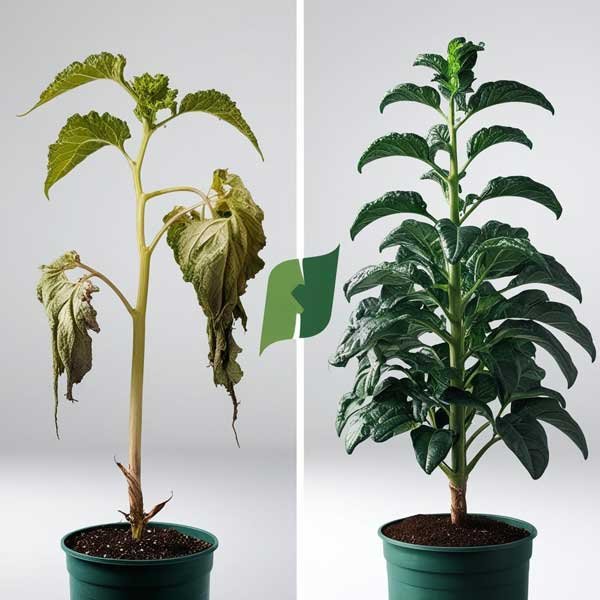
Biostimulants are emerging as a cornerstone of modern, sustainable agriculture. These diverse substances and microorganisms enhance natural plant processes, significantly improving nutrient use efficiency (NUE), bolstering tolerance to environmental stresses like drought, heat, salinity, and actively contributing to enhanced soil health and structure.
Unlike traditional fertilizers focused solely on nutrient supply, biostimulants function by stimulating the plant’s inherent physiological systems and fostering beneficial interactions within the soil microbiome.
This approach leads to more resilient crops, improved yield quality and stability, and supports the transition towards regenerative and environmentally conscious farming systems. This guide delves deep into the types, mechanisms, benefits, and practical application of biostimulants in agriculture today.
Introduction: The Evolving Landscape of Agriculture
Modern agriculture stands at a critical juncture. Feeding a growing global population while simultaneously confronting the escalating challenges of climate change, resource depletion, and soil degradation demands innovative and sustainable solutions.
Decades of input-intensive conventional farming, heavily reliant on synthetic chemical fertilizers and pesticides, have achieved remarkable productivity gains but often at a significant environmental cost.
Issues like nutrient runoff polluting waterways, declining soil organic matter, increased greenhouse gas emissions from fertilizer production, and reduced biodiversity in farmed landscapes are driving a paradigm shift.
Farmers are increasingly seeking methods that not only maintain or enhance productivity but also regenerate soil health, minimize environmental impact, and build resilience into their cropping systems.
This is where the science of biostimulants in agriculture enters the picture, offering a sophisticated, nature-based approach. Biostimulants represent a diverse category of products that work with the plant and its environment, enhancing natural processes rather than simply supplying external inputs.
They are not miracle cures, but powerful tools that, when understood and applied correctly, can unlock significant potential in plant performance and contribute to a more sustainable agricultural future.
This comprehensive guide explores the fascinating world of biostimulants, clarifying what they are, how they work, their diverse benefits, and how they can be effectively integrated into modern farming practices.
Defining the Field: What Exactly Are Biostimulants?
Defining biostimulants precisely can be challenging due to their diverse nature and modes of action. Unlike fertilizers (defined by their nutrient content) or pesticides (defined by their target pest/disease), biostimulants are defined by their effects on the plant.
A widely accepted definition, similar to that used in the EU Fertilizer Product Regulation, describes plant biostimulants as substances or microorganisms whose function, when applied to plants or the rhizosphere, is to stimulate natural processes to enhance/benefit:
- Nutrient uptake
- Nutrient use efficiency (NUE)
- Tolerance to abiotic stress (like drought, heat, cold, salinity)
- Crop quality
Crucially, biostimulants exert their effects independently of any nutrient content they might possess. While some formulations may contain trace nutrients, their primary benefit comes from triggering positive physiological responses within the plant or improving the soil environment around the roots.
Delving Deeper: Major Categories of Biostimulants
The term “biostimulant” encompasses a broad range of substances and microorganisms. Understanding these categories helps clarify their specific roles and applications:
1. Humic and Fulvic Acids (Humic Substances)
- Source: Derived from the natural decomposition of plant, animal, and microbial residues in soil (humus), peat, or leonardite.
- Mechanism: These complex organic molecules act as soil conditioners and plant growth enhancers. They improve soil structure (aggregation), increase water holding capacity, and enhance cation exchange capacity (CEC). For the plant, they can chelate micronutrients (making them more available), stimulate root growth (especially lateral roots and root hairs), increase cell membrane permeability, and enhance enzyme activity. Fulvic acids, being smaller molecules, are particularly effective at entering plant tissues and transporting micronutrients.
- Primary Benefits: Improved nutrient availability (especially P and micronutrients), enhanced root development, better soil structure, increased stress tolerance.
2. Seaweed Extracts and Botanicals
- Source: Primarily derived from various species of marine macroalgae (e.g., Ascophyllum nodosum, Laminaria, Sargassum). Other plant extracts are also used.
- Mechanism: Seaweed extracts are rich in complex polysaccharides (like alginates, fucoidans, laminarins), plant hormones (or hormone-like compounds such as auxins, cytokinins, gibberellins), amino acids, vitamins, and micronutrients. These components work synergistically to stimulate root and shoot growth, delay senescence (aging), enhance chlorophyll production, improve tolerance to salinity and drought, and potentially trigger plant defense responses.
- Primary Benefits: Enhanced growth and vigour, improved stress tolerance (salinity, drought), better fruit set and quality, delayed senescence.
3. Microbial Inoculants
- Source: Living beneficial microorganisms, including bacteria and fungi.
- Categories & Mechanisms:
- Nitrogen-Fixing Bacteria: Convert atmospheric nitrogen (N2) into ammonia (NH3), a form plants can use (e.g., Rhizobium with legumes, Azotobacter, Azospirillum with non-legumes). Reduces reliance on synthetic N fertilizers.
- Phosphate-Solubilizing Microbes (PSM): Bacteria and fungi that secrete organic acids or enzymes to dissolve mineral phosphorus (P) bound in the soil, making it available for plant uptake (e.g., Pseudomonas, Bacillus, Penicillium, Aspergillus). Improves P efficiency.
- Mycorrhizal Fungi: Form symbiotic relationships with plant roots (Arbuscular Mycorrhizal Fungi – AMF are most common). The fungal hyphae extend far beyond the root zone, acting like an extended root system, dramatically increasing the absorption area for water and nutrients (especially P and Zn). They also improve soil structure and can enhance drought tolerance.
- Plant Growth-Promoting Rhizobacteria (PGPR): A broad group of bacteria living near/on roots that benefit plants through various mechanisms, including producing plant hormones, solubilizing nutrients, suppressing pathogens, and improving stress tolerance (e.g., Bacillus, Pseudomonas).
- Primary Benefits: Improved nutrient supply (N, P), enhanced water and nutrient uptake, disease suppression, better soil structure, increased stress resilience.
4. Amino Acids and Protein Hydrolysates
- Source: Obtained through chemical or enzymatic hydrolysis of proteins from plant or animal sources.
- Mechanism: Provide readily available amino acids, which are the building blocks of proteins and enzymes essential for plant growth and metabolism. They can also act as signaling molecules, influence hormone synthesis, chelate micronutrients enhancing their uptake, and help plants overcome stress by providing precursors for stress-related proteins and osmolytes. Specific amino acids like proline are known to accumulate under stress conditions.
- Primary Benefits: Enhanced protein synthesis, improved stress recovery, nutrient chelation and transport, stimulation of metabolic processes.
5. Other Biostimulants
This category includes various other substances:
- Chitosan: A polysaccharide derived from chitin (found in crustacean shells and fungi) that can elicit plant defense responses and stimulate growth.
- Vitamins: Can act as co-factors in enzymatic reactions essential for plant metabolism.
- Inorganic Compounds: Certain non-nutrient elements like Silicon (Si) can enhance structural integrity and stress tolerance. Selenium (Se) can also play protective roles.

Unveiling the Mechanisms: How Biostimulants Enhance Plant Performance
The power of biostimulants in agriculture lies in their ability to influence multiple plant processes simultaneously or sequentially. Here’s a closer look at the key mechanisms:
Stimulating Root Growth and Architecture
Many biostimulants, particularly humic acids, seaweed extracts, and certain PGPR, promote root initiation, elongation, and branching, especially the fine root hairs responsible for most nutrient and water uptake. A larger, healthier root system anchors the plant better and explores a greater volume of soil.
Boosting Nutrient Use Efficiency (NUE)
This is a cornerstone benefit. Biostimulants achieve this through:
- Enhanced Uptake: Improving root architecture, stimulating the activity of nutrient transporters in root cell membranes.
- Increased Availability: Microbial inoculants solubilizing P or fixing N; humic acids chelating micronutrients, preventing them from being locked up in the soil.
- Improved Assimilation: Amino acids and other compounds support the metabolic processes needed to incorporate nutrients into plant tissues effectively. This means less nutrient is wasted and environmental losses are reduced.
Conferring Abiotic Stress Tolerance
In an era of climate volatility, this is perhaps one of the most valuable functions. Biostimulants help plants cope with:
- Drought: Improving root systems for deeper water access, enhancing stomatal control (regulating water loss), promoting the accumulation of osmolytes (like proline) to maintain cell turgor. AMF hyphae also improve water uptake.
- Salinity: Helping plants regulate ion uptake (e.g., reducing toxic Na+ uptake), maintaining osmotic balance, activating antioxidant systems to combat salt-induced oxidative stress.
- Extreme Temperatures (Heat/Cold): Stimulating the production of protective proteins (like heat shock proteins), enhancing antioxidant capacity, maintaining membrane stability.
Enhancing Photosynthesis and Metabolism
Some biostimulants can increase chlorophyll content, improve the efficiency of photosynthetic enzymes, and stimulate overall primary metabolism, leading to better energy production and growth.
Improving Soil Health and Microbiome Interactions
Biostimulants, especially microbial inoculants and humic substances, are key players in regenerative agriculture’s focus on soil health. They:
- Feed the Soil: Provide organic matter (humic substances) or introduce beneficial microbes.
- Improve Structure: Humic acids and fungal hyphae help bind soil particles together (aggregation), improving aeration, water infiltration, and reducing erosion.
- Foster Biodiversity: Encourage a diverse and active soil food web, which is crucial for nutrient cycling and disease suppression.
- Rhizosphere Engineering: Plants release exudates to attract beneficial microbes; biostimulants can enhance these positive interactions in the root zone.
Comparing Approaches: Biostimulants vs. Fertilizers (Chemical & Bio)
It’s vital to understand the distinct roles of these different agricultural inputs:
| Feature | Chemical Fertilizer | Bio-Fertilizer | Plant Biostimulants |
|---|---|---|---|
| Primary Role | Directly supply high concentrations of NPK & others | Supply nutrients via microbial activity (N-fix, P-sol) | Stimulate plant processes, enhance efficiency & resilience |
| Nutrient Content | Defined & High | Microbial function defines nutrient supply | Low or incidental; effect independent of nutrients |
| Mode of Action | Passive nutrient supply | Biological nutrient provision/availability | Active stimulation of plant physiology/soil interaction |
| Target | Direct Plant Feeding | Nutrient cycles & specific nutrient supply | Plant metabolism, stress response, NUE, soil environment |
| Soil Health Impact | Potential negative impact if overused | Generally positive (adds microbes) | Often positive (improves structure, feeds/adds microbes) |
| Stress Tolerance | Limited/Indirect | Some indirect effects | Primary benefit for abiotic stress |
| Sustainability | High energy input, runoff risk | Lower energy, more sustainable nutrient source | Supports system efficiency & resilience, regenerative |
| Application Rate | High (kg or lbs / acre/ha) | Moderate to High (depending on formulation) | Very Low to Low (ml or g / acre/ha) |
Key takeaway:
Biostimulants are not replacements for fertilizers where nutrients are deficient, but they make the entire system (plant + soil + applied nutrients) work more efficiently and resiliently.
They complement nutrient management strategies and are pivotal in optimizing plant performance while reducing environmental impact. Their lower application rates also translate to significant logistical benefits, including reduced storage space and lower shipping costs compared to bulky fertilizers.
The Multifaceted Benefits of Biostimulant Use
Integrating biostimulants in agriculture yields a wide array of interconnected benefits:
1. Optimized Nutrient Management
By boosting NUE, biostimulants allow farmers to potentially fine-tune fertilizer programs, reducing rates without compromising yield, leading to cost savings and decreased environmental pollution (less leaching and runoff).
2. Enhanced Crop Yields and Stability
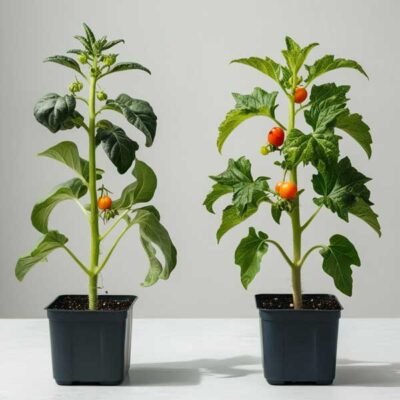
While not guaranteeing massive yield increases in all conditions, biostimulants often lead to more consistent and stable yields, especially under stress. By helping plants overcome limitations, they allow them to better reach their genetic yield potential.
3. Improved Crop Quality
Benefits often extend beyond just quantity. Biostimulants can improve:
- Fruit size, firmness, color, and sugar content (Brix)
- Grain protein content
- Nutrient density (higher mineral content)
- Post-harvest shelf life
4. Increased Resilience to Climate Change
Enhanced tolerance to drought, heat, and salinity makes crops better equipped to handle unpredictable weather patterns associated with climate change.
5. Building Healthier Soils
A cornerstone of regenerative agriculture, biostimulants contribute directly to:
- Improved soil structure and aggregation.
- Increased water infiltration and retention.
- Enhanced soil microbial diversity and activity.
- Potentially increased soil organic carbon over time.
6. Reduced Environmental Footprint
By improving NUE, potentially reducing fertilizer and even pesticide needs (healthier plants are less susceptible to disease), biostimulants contribute to:
- Lower risk of water pollution (eutrophication)
- Reduced greenhouse gas emissions associated with fertilizer production (especially Nitrogen)
- Enhanced biodiversity above and below ground
7. Support for Organic and Low-Input Systems
Many biostimulants are derived from natural sources and are approved for use in certified organic farming, providing valuable tools for these systems.
Practical Application: Integrating Biostimulants Effectively
Getting the most out of biostimulants requires careful consideration and strategic application:
Choosing the Right Product
- Identify the Goal: Are you targeting root growth, stress tolerance (which stress?), nutrient availability (which nutrient?), or general vigour?
- Consider the Crop: Different crops and even different growth stages respond differently.
- Analyze the Environment: Soil type, climate patterns, existing soil fertility, and common stressors should influence product choice.
- Understand the Ingredients: Know whether you’re applying microbes, humic acids, seaweed extracts, etc., as their functions differ. Look for reputable suppliers with quality control and research data.
Application Methods
- Seed Treatment: Applying biostimulants directly to the seed (often microbial inoculants) ensures benefits right from germination, promoting early root development and seedling establishment.
- Soil Application (Drench/In-furrow): Applying directly to the soil or root zone, often at planting or early growth stages. Effective for soil conditioning (humics) and establishing microbial populations (inoculants, mycorrhizae). Can be done via irrigation systems (fertigation).
- Foliar Spray: Applying diluted biostimulants directly to the leaves. Effective for rapid uptake of some components (amino acids, seaweed extracts) and particularly useful for addressing acute stress events or providing targeted boosts during critical growth stages (e.g., flowering, fruit set). Timing (e.g., early morning) and spray conditions (avoid high heat/wind) are important for efficacy.
Timing is Crucial
Application timing should align with specific plant needs or anticipated stress periods. Examples:
- At planting/transplanting for root establishment
- Before anticipated drought or heat stress
- During key reproductive stages (flowering, fruit development)
- Post-stress for recovery
Compatibility and Tank Mixing
Biostimulants are often tank-mixed with fertilizers or pesticides for efficiency However, compatibility is critical
- Always perform a jar test before mixing large batches
- Check product labels for known incompatibilities (e.g., some microbial products are sensitive to certain fungicides or pH extremes)
- Consider the final pH and concentration of the spray mix
Monitoring and Evaluation
Assess effectiveness through:
- Visual observation (vigour, rooting, stress symptoms)
- Soil testing (nutrient levels, microbial activity)
- Plant tissue analysis (nutrient content)
- Yield mapping and quality analysis at harvest
- Using check strips (untreated areas) for comparison is highly recommended
The Future is Biological: Trends in Agricultural Biostimulants
The market for biostimulants in agriculture is experiencing rapid growth, driven by the demand for sustainable solutions and increasing scientific understanding. Key trends include:
- Precision Application: Tailoring biostimulant choice and application based on specific crop, soil, climate data, and real-time plant sensing
- Synergistic Formulations: Developing products that combine multiple types of biostimulants (e.g., microbes + humics + seaweed) for broader, more potent effects
- New Sources and Actives: Ongoing research into novel microbial strains, plant extracts, and other natural compounds with biostimulant properties
- Focus on Specific Stresses: Developing biostimulants targeted at mitigating specific challenges, like new pest/disease pressures or region-specific climate impacts.
- Improved Delivery Systems: Innovations in formulation and encapsulation to enhance shelf-life, efficacy, and ease of application, especially for microbial products.
- Regulatory Harmonization: Efforts to standardize definitions, testing protocols, and labeling requirements across different regions to build farmer confidence and facilitate trade.
- Integration with Digital Agriculture: Using data analytics and farm management software to optimize biostimulant strategies alongside other inputs.
Conclusion: Embracing a New Era of Crop Enhancement
Biostimulants represent a significant evolution in our approach to crop production. Moving beyond a simple input-output model, they focus on enhancing the inherent capabilities of the plant and the health of the soil ecosystem it depends on.
By stimulating natural processes, improving resource use efficiency, and bolstering resilience against environmental stress, biostimulants in agriculture offer a pathway to achieving high productivity and quality while simultaneously promoting environmental sustainability and soil regeneration.
While they require a deeper understanding of plant physiology and soil biology than conventional inputs, the benefits – economic, environmental, and agronomic – are compelling.
As research continues to unlock the intricate mechanisms behind these powerful natural tools, and as farmers gain more experience integrating them into their management practices, biostimulants are poised to become an indispensable component of resilient, productive, and truly sustainable farming systems for generations to come.
They are not just products; they are partners in cultivating a healthier future for agriculture and the planet.
Related Topics You Might Be Interested In:
- Soil Biology and the Rhizosphere Microbiome
- Advanced Nutrient Use Efficiency (NUE) Strategies
- Climate-Smart Agriculture and Adaptation Techniques
- Principles and Practices of Regenerative Agriculture
- Organic Farming Inputs and Certification Standards
- Role of Mycorrhizae in Plant Health
- Humic Substances: Chemistry and Agronomic Benefits
- Seaweed Extracts: Composition and Effects on Crops
- Plant Stress Physiology and Mitigation
- Integrated Soil Fertility Management (ISFM)
- Precision Agriculture and Input Optimization
- The Future of Sustainable Crop Production
- Comparing Biostimulants, Biofertilizers, and Biopesticides
- Regulatory Landscape for Biostimulants Globally
